
AI-Driven Ingredient Discovery & Biotechnology
From AI guided discovery to cell based peptide manufacturing, engineering sustainable actives that nature currently makes the hard way.
Working on a brand’s ingredient or product project rather than a research or licensing partnership? Book a free R&D diagnostic, or go straight to Validation or Formulation.
Sustainable Ingredients, Engineered Not Extracted
High value cosmetic and pharma ingredients, including matrikines, xanthones (e.g. mangiferin) and functional proteins (P40/P27/P8), are currently sourced unsustainably: extracted from endangered tropical plants or shark liver, or made via a multi step chemical synthesis process with a high carbon cost. Hexis Lab’s synthetic biology work has proven these ingredients can be made at microgram scale, and is scalable to commercially useful volumes.
Engineering: Platform Cell Factory
Candidates identified by HexisPro.X and HexisPepTech move into strain engineering, where synthetic biology is used to build microbial cell factories capable of producing them biologically rather than through hazardous chemical synthesis.
Development funded by Innovate UK, in partnership with academic institutions, we engineer E. coli host strains to express target compounds, peptides and proteins, while S. cerevisiae (yeast) strains have been engineered to biosynthesise other actives, together replacing solvent heavy chemical routes with a cleaner, more controllable biological production process.
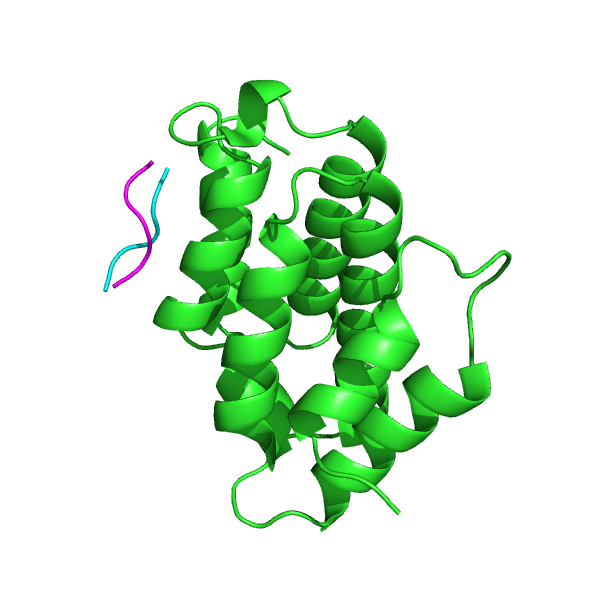
Pipeline of Products Produced
Lab validated results from our cell based production platform:
Matrikine Peptides
KTTKS and SKTTK expressed and purified in E. coli; shown to outperform commercial benchmark products in fibroblast wound healing assays.
Postbiotic Proteins
Postbiotic proteins such as P75, P40, P14 and P8 help support skin health by promoting skin barrier function, soothing inflammation and encouraging the skin’s natural repair processes. These bioactive proteins may enhance cell renewal, protect against environmental stress and help maintain a balanced skin microbiome, contributing to healthier, more resilient and youthful looking skin.
Mangiferin (Xanthone)
Developed using a novel heterologous biosynthetic pathway engineered in yeast via multigene MoClo/CRISPR cloning. Mangiferin is a natural xanthone known for its powerful antioxidant and anti inflammatory properties, used in cosmetics to protect skin from environmental damage and support a healthy skin barrier, with potential health benefits for metabolic, cardiovascular and overall cellular health.
Peptide UV Filters, Engineered from Extremophile Biology
Rising incidence, imperfect filters
Melanoma incidence keeps climbing despite rising sunscreen use. Several widely used organic filters, oxybenzone chief among them, are genotoxic, endocrine disrupting and ecotoxic enough to coral reefs to have triggered sales bans. Mineral filters sidestep that toxicology but bring their own cosmetic and nanoparticle safety debates, while a warming climate extends outdoor exposure and drives melanoma rates higher still.
Solved by extremophile biology
Bacteria that survive in the most UV punished and heat punished environments on Earth, the Atacama desert, hydrothermal systems, radiation blasted rock, have evolved small molecules and peptides purpose built to absorb, quench or repair UV and thermal damage: scytonemin, mycosporine like amino acids, deinoxanthin, bacterioruberin and related compounds, refined by evolution rather than a formulation lab.
Designed, not merely extracted
We are translating this natural chemistry into a synthetic peptide UV filter, sequence optimised for skin compatibility and free of the liabilities of incumbent organic filters. Building on our synthetic peptide production collaboration with Professor Safwan Akram’s biomanufacturing group at Teesside University, candidate sequences are being validated in silico for safety, efficacy and formulation usability ahead of wet lab confirmation.
The first filter built from first principles
A validated peptide UV filter would be the first sunscreen active designed around extremophile biology, meeting a market that mineral and organic filters can each satisfy only partially. We are seeking partners and funding to carry this platform from in silico validation through wet lab confirmation and into pilot scale production.
What you get from a Discovery Sprint
Client says: “I need a new active and do not know where to start.” Hexis Lab sells: a Discovery Sprint, run on the same HexisPro.X platform behind the research above.
What you get
A candidate shortlist from AI guided screening, the scientific rationale behind each candidate, and a recommended lead with a next stage development plan.
6 to 10 weeks
Indie and emerging brands: a tightly scoped search around a single ingredient class. Enterprise and global brands: large scale screening across multiple candidates.
Paid, after a free diagnostic
Investment is scoped to your brief, not a fixed rate card. The R&D Diagnostic is free and establishes whether a Discovery Sprint is the right starting point.
Choose your level of Discovery
All three run on the same HexisPro.X platform. The difference is scope: how many use cases, how many candidates, and how far the roadmap looks.
- AI guided screening against one target use case
- A ranked shortlist of candidates
- Scientific rationale behind each candidate
- Multiple use cases or claim angles screened side by side
- An expanded candidate pool
- Benchmarking against a named competitor or reference ingredient
- Ongoing, multi brief discovery across your range
- A prioritised roadmap across product lines
- Quarterly re screening as new candidates and data emerge
Not sure which level fits your brief? Book a free R&D diagnostic and we will tell you before you commit to a paid programme.
This work is supported by UK Research and Innovation. View our project funding record on the UKRI Gateway to Research.