In today’s fast-moving beauty industry, cosmetic product development is no longer limited to mixing trending ingredients with attractive packaging. It has evolved into a sophisticated process driven by science-backed formulation, inclusivity, consumer expectations, regulatory awareness, and global adaptability. Beauty brands that want to stay competitive must create products that not only perform well but also resonate with a diverse customer base across multiple markets.
From skincare serums and cleansers to haircare, body care, and color cosmetics, every successful product now requires a smarter and more strategic development approach. Consumers are more informed than ever. They read ingredient lists, question brand claims, compare sustainability efforts, and expect products to work for their unique skin tones, skin types, hair textures, and lifestyles. As a result, cosmetic product development must be more thoughtful, data-driven, and globally relevant.
For brands aiming to launch standout products, working with an experienced development partner like Hexis Lab can help transform concepts into market-ready formulations with precision and confidence.
The New Era of Cosmetic Product Development
The beauty market has shifted dramatically over the last few years. Today, consumers are no longer impressed by superficial claims alone. They want transparency, effectiveness, and products that feel designed for real people. This has pushed cosmetic product development into a new era where technical knowledge and customer insight matter just as much as branding.
Modern cosmetic development includes:
- In-depth market research
- Ingredient science and formulation expertise
- Safety and stability testing
- Packaging compatibility
- Scalable manufacturing planning
- Inclusive design thinking
- Market-specific compliance awareness
This broader approach helps brands reduce risk and create products with stronger long-term commercial potential.
If you want support in moving from concept to formulation, explore Hexis Lab’s cosmetic development services.
Why Science Is the Foundation of Better Beauty Products
Science is at the heart of every successful cosmetic formula. Whether a brand is developing an anti-aging serum, hydrating moisturizer, pigment-rich foundation, or scalp treatment, performance depends on careful scientific planning.
A science-first development process helps ensure that a product is:
- Stable over time
- Safe for intended use
- Effective under normal conditions
- Compatible with packaging
- Scalable for commercial production
Key scientific elements in cosmetic product development
Ingredient selection
- Choosing active ingredients based on function
- Evaluating solubility and compatibility
- Matching ingredient systems to desired claims
Many of these choices start with ingredient discovery itself, and this is where Hexis Lab’s ingredient discovery platform helps brands identify and validate active ingredients faster.
pH and stability optimization
- Ensuring the formula maintains integrity
- Preventing separation, discoloration, or degradation
- Supporting product shelf life
Preservation strategy
- Protecting formulas from microbial contamination
- Maintaining product safety after opening
- Balancing preservation with skin tolerance
Texture and sensory engineering
- Improving spreadability and absorption
- Creating elegant finishes
- Enhancing user experience
Testing and validation
- Stability testing
- Challenge testing
- Packaging compatibility testing
- Safety assessments
Brands can review the full scope of this testing through Hexis Lab’s cosmetic efficacy and stability testing services.
When brands skip or minimize these steps, they risk launching products that fail in real-world conditions. In contrast, scientifically guided cosmetic product development can improve efficacy, customer satisfaction, and brand trust.
To better understand how technical expertise supports innovation, review Hexis Lab’s formulation and R&D approach.
You can also explore how skin intelligence and digital beauty insights are shaping the future through MySkin AI.
Inclusivity Is Reshaping Product Innovation
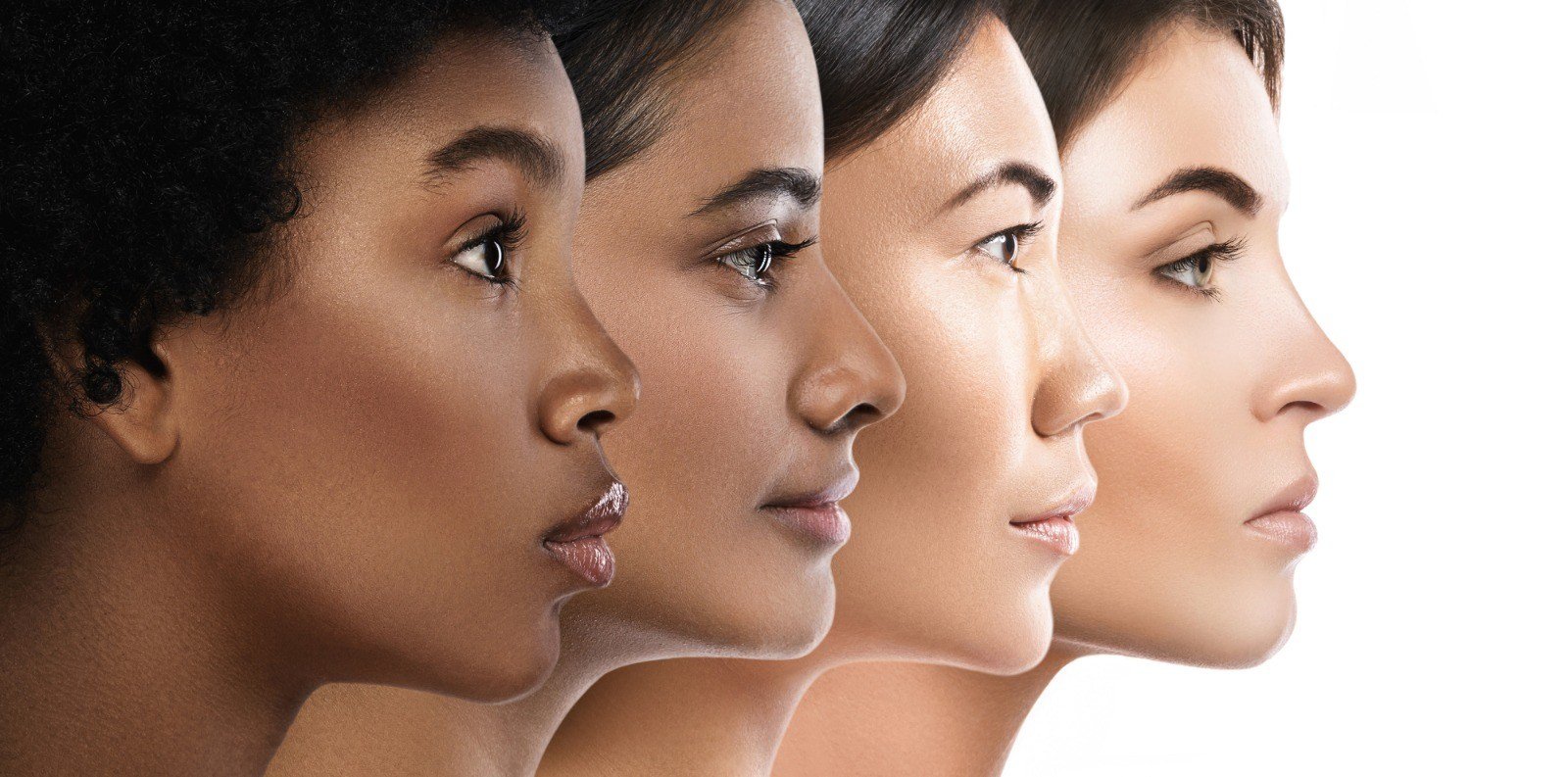 Inclusive cosmetic development means formulating for the full range of skin tones and needs, not a narrow default.
One of the most significant transformations in the beauty industry is the demand for inclusivity. Consumers want products that acknowledge and serve a wide range of needs, rather than targeting a narrow or outdated ideal of beauty.
Inclusivity in cosmetic product development means creating products that work for:
- Different skin tones
- Different undertones
- Sensitive and reactive skin
- Oily, dry, acne-prone, and combination skin
- Diverse hair textures and curl patterns
- Various cultural beauty preferences
- People across different genders and age groups
Why inclusivity matters
- It expands the potential market for a product
- It increases customer loyalty and trust
- It helps brands connect authentically with modern audiences
- It improves brand reputation
- It supports more meaningful innovation
For example, inclusive color cosmetic development requires more than simply adding darker shades. It involves:
- Understanding undertones
- Balancing pigment payoff
- Testing performance across skin tones
- Ensuring oxidation does not compromise shade accuracy
Similarly, inclusive skincare development requires awareness that skin concerns can appear differently across tones, climates, and sensitivities.
Brands that prioritize inclusive development from the beginning are more likely to create products with stronger market relevance and broader appeal. For tailored solutions designed around real consumer diversity, visit Hexis Lab’s custom cosmetic solutions for indie and emerging brands.
Global Relevance Is Essential for Growth
Another major change in cosmetic product development is the need for global relevance. A formula that performs well in one region may not automatically meet the needs of consumers in another. Climate, regulation, pricing expectations, and beauty rituals all vary across markets.
Factors that shape global cosmetic relevance
Climate
- Humid environments may require lightweight, non-greasy formulas
- Cold climates may call for richer textures and stronger barrier support
- Hot regions may increase demand for sweat-resistant or mattifying products
Consumer behavior
- Some markets prefer minimalist skincare
- Others value multi-step routines
- Texture and fragrance preferences can differ significantly
Regulatory frameworks
- Ingredient restrictions vary by region
- Labeling rules can differ
- Claims may require market-specific adjustments
Cultural preferences
- Shade preferences may vary
- Packaging design may influence appeal
- Product format expectations can differ by region
Developing with global relevance in mind helps brands:
- Reduce reformulation costs later
- Enter new markets more efficiently
- Strengthen international brand consistency
- Improve product acceptance across regions
For companies planning products with broader market potential, Hexis Lab can play a valuable role in aligning formulation strategy with commercial goals.
Key Stages in Modern Cosmetic Product Development
Successful cosmetic product development follows a structured path. Although each brand and product category is different, the process usually includes several essential stages.
1. Market research and concept validation
This stage focuses on identifying:
- Consumer pain points
- Competitor gaps
- Emerging ingredient trends
- Unmet needs in the market
- Positioning opportunities
At this point, brands should ask:
- What problem does the product solve?
- Who is the target consumer?
- What will make the product different?
2. Formula strategy and ingredient selection
Once the concept is defined, the formula strategy begins. This includes:
- Choosing hero ingredients
- Building the base system
- Defining sensory targets
- Aligning formulation choices with desired claims
- Considering regulatory requirements
3. Prototyping and refinement
In this stage, chemists create and refine lab samples. Key focus areas include:
- Texture
- Appearance
- Fragrance
- Stability
- Application feel
- Initial performance
4. Testing and technical validation
This stage is critical for confirming that the product is ready for market. Testing may include:
- Stability testing
- Microbial testing
- Preservative efficacy testing
- Packaging compatibility
- User trials
- Safety review
5. Packaging alignment
Packaging is more than a branding tool. It must also protect the formula and support the intended user experience.
Considerations include:
- Material compatibility
- Airless vs jar packaging
- Dispensing control
- Portability
- Sustainability goals
6. Scale-up and manufacturing preparation
Once the formula is approved, it must be prepared for production. This stage includes:
- Batch scaling
- Process optimization
- Manufacturing documentation
- Quality controls
- Production readiness planning
For end-to-end support through these stages, explore Hexis Lab’s product innovation expertise.
How Brands Can Redefine Their Development Strategy
To compete in the modern beauty market, brands need more than a great idea. They need a development framework that is informed, adaptable, and aligned with consumer reality.
Practical ways to modernize cosmetic product development
- Start every concept with research
- Formulate around performance, not hype
- Build inclusivity into every stage
- Think about global relevance from day one
- Test claims before using them in marketing
- Prioritize user experience as much as efficacy
- Choose packaging that protects both formula and brand positioning
- Plan early for scale-up and manufacturing consistency
- Work with knowledgeable formulation partners
- Create product stories grounded in truth and functionality
Questions brands should ask before launch
- Is the formula solving a clear problem?
- Does it meet modern consumer expectations?
- Is it inclusive in function and design?
- Can it adapt to future market expansion?
- Are the claims responsible and supportable?
- Is the formula stable and production-ready?
Conclusion
Cosmetic product development has entered a new phase defined by science, inclusivity, and global relevance. Brands that want to thrive in this environment must go beyond surface-level innovation and build products with technical integrity, meaningful market fit, and broad consumer understanding.
The most successful beauty products today are created through a balanced process that includes:
- Strong scientific formulation
- Inclusive product thinking
- Market-aware strategy
- Rigorous testing
- Scalable production planning
- Clear and trustworthy communication
As consumer expectations continue to rise, brands that embrace this redefined approach will be in a much better position to build trust, increase loyalty, and grow across markets.
If your brand is looking for a smarter path to innovation, partnering with Hexis Lab can help turn bold ideas into high-performance cosmetic products.
FAQ: Cosmetic Product Development
What is cosmetic product development?
Cosmetic product development is the end-to-end process of creating a beauty or personal care product, including research, formulation, testing, packaging, and preparation for manufacturing.
Why is science important in cosmetic product development?
Science helps ensure a product is safe, stable, effective, and suitable for scale-up. It also supports better performance and stronger consumer trust.
What does inclusivity mean in cosmetic development?
Inclusivity means designing products for a wide range of skin tones, skin types, hair textures, and user needs, rather than taking a narrow approach to beauty.
Why does global relevance matter in beauty innovation?
Global relevance helps products succeed across different climates, regulations, and cultural preferences, making expansion easier and more cost-effective.
How can a lab support cosmetic product development?
A cosmetic lab can help with ingredient selection, formulation, testing, product refinement, documentation, and manufacturing readiness.